










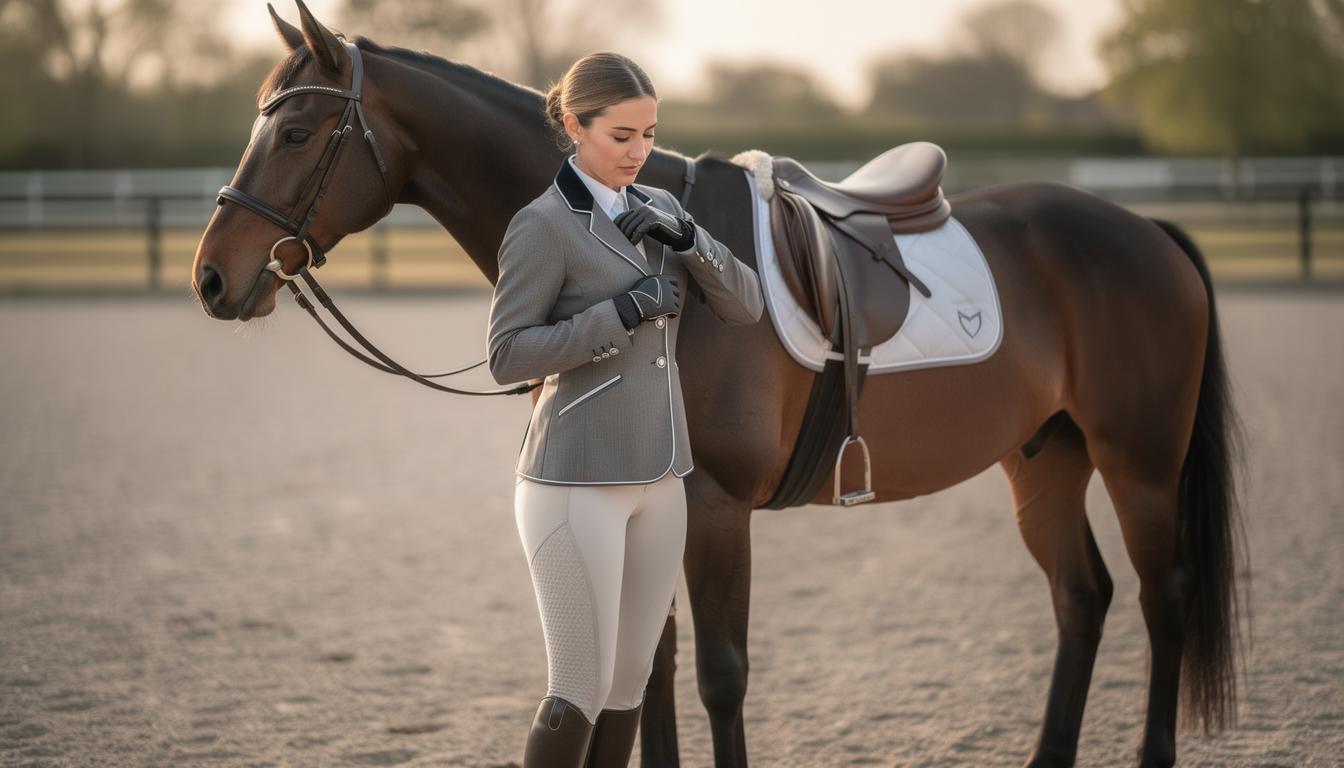
Who never glances down at pressed breeches or lets gloved hands brush a new jacket before heading to the barn? Clothes in the equestrian world, they frame more than just the silhouette; they carry signals, both practical and stylish. Right from the first ride, equestrian apparel refuses any compromise, why choose between comfort and performance, between elegance and innovation? The garment shapes the riding experience from the inside out. The topic in question, with no room for vagueness: why and how do these clothes manage to combine comfort, style, and performance for riders, all day long?
Also read : What’s the Latest in Haptic Feedback Technology for Virtual Training?
The essential role of equestrian apparel in today’s riding
Past centuries parade with rigid velvet jackets and polished boots, all nostalgia, zero flexibility. Modern times, of course, disrupt. Zippers chase out row after row of buttons, helmets comply with new safety laws, even colours shift. Fashion, utility, or tradition—does it matter anymore when mesh panels and hydrophobic leather now hit the circuit? Read old tomes about Grand Prix show jumping and they urge: performance evolves as quickly as fabrics.
Few things in a stable age as quickly as a jacket that fails to meet new standards for comfort and control.
Also read : Enhance your home with timeless victorian plaster ceiling roses
Gone the ceremonial black, in with reflective piping and sports cuts. The best brands chase athletic grit and finesse. Everyone expects technical gear, never just for show, even for those who still prefer wool over microfibre, old habits persist, but new needs win. Leading platforms such as Sync Equestrian now catalog the latest innovations in performance-focused riding gear for discerning equestrians worldwide.
The evolution of equestrian clothing
In Windsor’s Great Park, the echoes of tradition still linger, but eyes snap to the technical blends now donned by elite and amateur alike. By the 1950s, necessity pushed a slow shift—velvet helmets, synthetic blends, strategic padding. The 1990s exchanged scratchy wool for easy-stretch polyester, a quiet revolution in the ring. By 2026, micro-mesh and waterproofing set the tone—fashion can’t escape technical innovation. Jackets by Pikeur or Ariat now aim for that sweet spot: elegant lines with technical punch. Elegance and performance blend for the ultimate result: clothes that serve structure and speed, comfort and function in equal measure.
The importance of apparel for different riding styles
Dressage, show jumping, eventing, western—styles diverge wildly, demands never fade. Breeches for flat work relax into seamless waistbands, boots grip stirrup leathers without pinching, all details feel precise. Each discipline develops quirks, requirements, shapes the gear around nuanced tasks. Creativity reigns, but standards refuse to loosen. Safety agencies like BSI or the US Equestrian Federation set the pace, each season brings new twists.
| Discipline | Essential Features | Style Nuances |
|---|---|---|
| Dressage | High waist, flexible, bright white, no chafing seams | Tails, understated trims, forged elegance |
| Show Jumping | Maximum stretch, reinforced knee patches, aeration | Short jackets, vibrant piping, sporty cuts |
| Eventing | Safety vests, quick-dry, reinforced closure | Utility style, hi-vis accents, hybrid aesthetics |
| Western | Hard-wearing denim, sun shielding, bootcut | Embroidery, structured cuffs, dramatic collars |
Tradition faces off with modernity, yet even the most heritage-minded riders accept necessity: clothes cannot cling to the past when movement, heat, and risk demand so much more. Expect requirements to differ, personalities adorn themselves in every detail, and every necessity receives a tailored answer.
The essentials of comfort in equestrian apparel
Riding asks more from clothing than any city commute, that’s certain. Each detail counts, from anti-chafing seams to climate control that adapts at a canter. The difference emerges after two hours in the saddle; discomfort does not yield medals. The everyday rider expects performance textiles, lightness, and heat management.
Long gone are the days of red welts from a badly placed zipper or a collar that rubs raw.
Few regret the passing of scratchy tweed, even among tradition lovers.
The use of advanced materials in riding wear
Technical blends now feel as familiar as the rhythm of hooves on gravel. Stretch, yes, but breathability too, always serving the body in motion. Fabrics react to warmth, wick away sweat before it disrupts focus, and keep rain at bay. Riders wrap up in jackets with hydrophobic shells, mesh vents, and thermo-regulating linings. Modern textiles transform each ride: the rider, no longer encumbered, feels the saddle, the horse, the wind, nothing constrains movement. Polyamide and Lycra grant freedom without risking style. In winter, heat sticks only where it matters, clever knits repel chill, and moisture slips away unnoticed—no soggy breeches, not for the new generation.
The art of fit and rider ergonomics
Breeches that curve at the calf, jackets that flex at the elbow—no detail left untouched by design thinking. Apparel now considers each muscle, each repeated movement, leaving space for power where pressure builds. Seams slide past sensitive skin, padding protects points of friction, the result offers real relief. Ergonomics doesn’t just mean better shape, it means longer hours on horseback with less fatigue. With every tailored cut, designers acknowledge: support isn’t luxury, it transforms performance. Overlapping panels, articulated knees, smart suede keep muscles fresh, riders agile. No one begs for off-the-rack anymore, not when fit determines comfort, and comfort transforms the ride.
The impact of style on equestrian apparel
In every stable, before the first hoof step, coats and shirts communicate more than pedigree. Teams paint themselves in signature blues or whites, old money embraces subtlety, new arrivals opt for bold, disruptive trim. Coordination isn’t reserved for the arena—fashion announces intent and belonging. Nothing passes unnoticed: a contrasting cuff, a colored helmet cover, the line of a lapel, all signal position and ambition long before the results. Status, tradition, rebellion? All play out through apparel choices.
The expression of identity and professionalism
A tailored coat for the final, a uniform in the schooling ring—each garment commands attention. Even the modest branded pad, understated piping, and careful color choice broadcast team loyalty and personal flair. Nostalgia and novelty collide: slim cuts, classic lines, signature embroidery—they all conjure professionalism without repeating the past. The American Young Riders’ team in red, the Italian squad all in white, signals pulse through every arena. Every decision reveals allegiance, quiet ambition, and the confidence only apparel delivers.
The influence of brand innovation and trends
The runway roars each spring with technical jackets from Hermès beside city-to-stable collaborations from Cavalleria Toscana. Brands, jolted awake by ecological mandates, now pivot—sustainable, traceable, efficient manufacturing dominates. According to the European Apparel Federation, almost half of brands now use recycled or biodegradable fibers. Sustainability rides in the slipstream of high fashion: organic cotton, ocean plastics, even coffee-fiber blends speak both modern and responsible. Athleta’s reflective shirts, Ralph Lauren’s hydrogen-cooled vests—fashion headlines, but also benchmarks for performance and respect for the planet. Streetwear and ring armor blend, style refuses borders.
- Technical blends erase discomfort, bring in strategic grip
- Seasonal trends borrow from both heritage and city life
- Sustainable materials earn top billing in every collection
The performance features that elevate equestrian apparel
Safety now claims the spotlight. Impact vests slipped quietly under fitted jackets—a detail as discreet as it is lifesaving. Padding hides under crisp lines, closures wrap tightly across ribs, reflective trim flickers at sunrise. Protection and style no longer compete, they merge softly. The US Consumer Product Safety Commission links a reduction in injuries to the normalization of certified riding wear. Invisible shields multiply: reinforced panels, double-stitching, magnetic clasps, all hidden, never flaunted. Only confidence remains visible.
The clever use of safety in apparel
Every ride carries risk—today, apparel turns the odds. Click, snap, zip, the ritual takes ten seconds, consequences fade. Reflective details line sleeves and boots, not a single detail too minor. Statistics reveal fewer injuries since safety standards tightened—riders now expect protection to come standard, never optional. Apparel no longer needs to shout ‘safe’—it simply delivers.
The adaptability and versatility for changing weather
From summer heat to winter drizzle, the system of riding layers adapts. One minute, a rider peels away a waterproof jacket, the next, fleece gloves climb up the wrists. The success of these garments: silence discomfort, control moisture, maintain style regardless of season. Boots fight snow with silicone grip, fibers dry in minutes after a downpour. Riders, protected and stylish, shrug off wind and mud—misadventures replace miserable memory. It just works.
US junior eventer Madison Ray once shared, her sponsor’s hybrid jacket “changed my rides entirely.” She moved without thinking of rain, sore shoulders, or distraction. Even her coach remarked on newfound precision. From Wellington to Devon, stories echo: performance, comfort, and style now stand as the three pillars of modern riding tradition.
The future direction and innovation of equestrian apparel
By 2026, what felt unthinkable now turns standard. Vests flash heart rate, track muscle strain, analyze outside conditions, all with a subtle click. Technical gear now partners quietly with technology—FDA approval stamped, functionality trusted. Innovators such as Rönner and Decathlon champion sustainable rides with coffee-based fibers and ocean plastic threads. Zero-waste processes, digital scanning for authenticity, atomic-level customization—riders accept nothing less. Clothing reflects the world’s changes, not just the riding ring’s demands. Every generation rethinks the dress code, but respect for sustainability and innovation gains foothold. The horizon becomes both familiar and new: roots still anchor the sport, but wings—yes, those invisible wings—carry tradition forward, subtly, undeniably.